


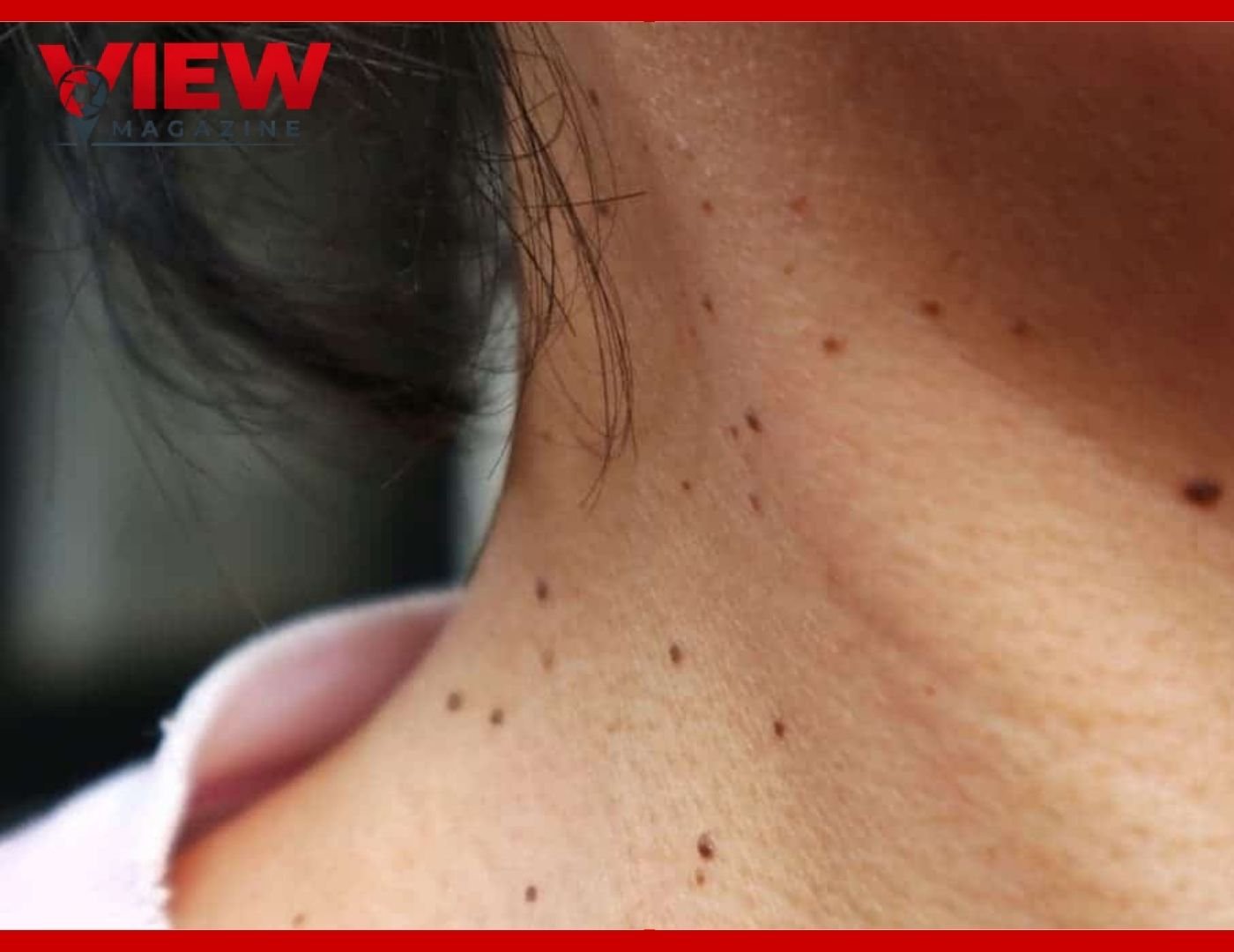
Many people notice small, soft growths on their skin at some point in life. These harmless growths are commonly known as skin tags, and they often appear on the neck, underarms, eyelids, or areas where skin rubs together. Because they are usually painless and benign, many individuals look for Skin Tag Treatment at Home instead of visiting a clinic immediately. Home-based care methods can sometimes help manage small skin tags safely when done carefully and with proper hygiene.
Understanding how skin tags form and how to treat them responsibly is important before trying any solution. While medical procedures remain the fastest removal option, many people prefer natural or over-the-counter approaches. This detailed guide explains the causes, prevention strategies, and practical options for Skin Tag Treatment at Home while emphasizing safety and informed decisions.
What Are Skin Tags and Why They Appear
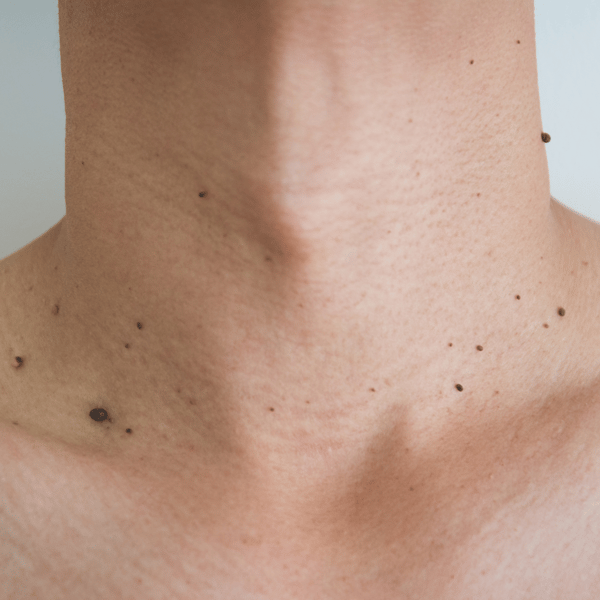
Skin tags, medically known as acrochordons, are small, soft, flesh-colored growths that hang from the skin by a thin stalk. These growths are extremely common and usually develop in areas where friction occurs frequently. People often notice them on the neck, underarms, eyelids, groin, and beneath the breasts. Although harmless, many individuals explore Skin Tag Treatment at Home for cosmetic reasons or mild discomfort.
Experts believe skin tags form when collagen fibers and blood vessels become trapped inside thicker areas of skin. While they are not dangerous, they can grow slightly over time. Many adults develop skin tags after age 30, and they may become more common with aging or hormonal changes.
Common Causes Behind Skin Tags
Understanding the causes helps people choose appropriate Skin Tag Treatment at Home methods. One of the main factors linked to skin tags is repeated skin friction. Tight clothing, jewelry, or constant rubbing between skin folds can increase the likelihood of developing these growths.
Other contributing factors include genetics, hormonal changes, pregnancy, and insulin resistance. Individuals with metabolic conditions or weight fluctuations may notice skin tags more frequently. While these factors do not guarantee skin tag formation, they increase the possibility. Recognizing the cause helps people focus not only on treatment but also on prevention strategies that reduce future occurrences.
Who Is Most Likely to Develop Skin Tags
Certain groups of people are more likely to develop skin tags and therefore search for Skin Tag Treatment at Home solutions. Adults, particularly those over 30 years old, often experience them due to natural skin changes. Individuals with diabetes or insulin resistance may also notice skin tags more frequently.
Pregnant individuals sometimes develop skin tags due to hormonal changes and increased skin friction. Additionally, people with a family history of skin tags are more likely to develop them. While these growths are harmless, understanding risk factors helps individuals make informed decisions about managing them safely at home.
Is Skin Tag Treatment at Home Safe
Safety is the most important consideration when exploring Skin Tag Treatment at Home options. Many mild cases can be managed with simple care, but it is important to confirm that the growth is truly a skin tag and not another type of skin condition. If a growth changes color, bleeds easily, or grows rapidly, professional evaluation is recommended.
Home treatments are generally suitable for small, non-irritated skin tags in low-risk areas. Maintaining cleanliness, using gentle methods, and avoiding aggressive techniques are essential. Safe Skin Tag Treatment at Home practices reduce the chance of infection, irritation, or scarring.
Natural Remedies for Skin Tag Treatment at Home
Natural remedies are among the most popular approaches for Skin Tag Treatment at Home because they are accessible and affordable. Many individuals prefer gentle options derived from household ingredients or plant-based solutions. These methods aim to gradually dry out the skin tag or reduce irritation around it.
While natural remedies may take longer than medical procedures, some people find them effective for small skin tags. It is important to be patient and monitor the area regularly. If irritation occurs, the treatment should be stopped immediately to prevent complications.
Apple Cider Vinegar Method for Skin Tag Treatment at Home
One of the commonly discussed natural remedies for Skin Tag Treatment at Home involves using apple cider vinegar. This method is believed to work by gradually breaking down the tissue around the skin tag. To try this method safely, a small amount of diluted vinegar is applied using a cotton swab while protecting the surrounding skin.
Consistency is important when using this approach. The application is usually repeated once or twice daily until the skin tag begins to shrink. However, individuals with sensitive skin should proceed cautiously because vinegar can cause irritation if applied excessively.
Tea Tree Oil for Skin Tag Treatment at Home
Another popular option for Skin Tag Treatment at Home is tea tree oil, which is known for its natural antibacterial and anti-inflammatory properties. Many people use this oil to support skin health while gradually drying out small skin tags.
The process typically involves diluting tea tree oil with a carrier oil and applying it gently to the affected area. This method may take several weeks to show results, but some users prefer it because of its natural composition. Proper dilution helps reduce the risk of skin irritation during treatment.
Garlic as a Traditional Skin Tag Remedy
Garlic has long been used in traditional remedies, and some people apply it as part of Skin Tag Treatment at Home. The natural compounds in garlic are believed to have antimicrobial properties that may help reduce the size of certain skin growths over time.
To use this approach safely, a small crushed piece of garlic is placed on the skin tag and covered for a short period. However, prolonged contact can cause skin irritation, so it should be used carefully. This method may not work for everyone but remains a widely discussed home remedy.
Over-the-Counter Solutions for Skin Tag Treatment at Home
Many people prefer over-the-counter products specifically designed for Skin Tag Treatment at Home. These solutions often include topical treatments or freezing kits that mimic professional procedures on a smaller scale. They are available in pharmacies and are designed for safe home use.
These products usually include clear instructions and safety guidelines to help users remove small skin tags effectively. However, individuals should carefully follow the directions to avoid damaging healthy skin. Over-the-counter treatments are often considered a middle ground between natural remedies and professional medical removal.
Hygiene Tips During Skin Tag Treatment at Home
Maintaining hygiene is essential while performing Skin Tag Treatment at Home. Keeping the area clean helps prevent infection and supports proper healing. Gentle washing with mild soap and water is usually sufficient before applying any remedy.
It is also important to avoid touching or pulling the skin tag unnecessarily. Clean hands and sterile tools reduce the risk of irritation. Good hygiene practices make home treatment safer and more effective, especially for individuals managing skin tags in sensitive areas.
Mistakes to Avoid When Treating Skin Tags at Home
Some individuals make mistakes when attempting Skin Tag Treatment at Home, which can lead to complications. One common mistake is cutting off a skin tag without proper sterilization or medical guidance. This can cause bleeding or infection.
Another mistake is using strong chemicals or unverified remedies found online. These methods can damage healthy skin and cause long-term irritation. Choosing safe, gentle approaches and being patient during the treatment process helps avoid unnecessary risks.
When to Stop Home Treatment
Although many people attempt Skin Tag Treatment at Home, it is important to recognize when professional care is necessary. If a skin tag becomes painful, changes color, or begins to bleed frequently, it may require medical evaluation.
Home treatments should also be stopped if the surrounding skin becomes irritated or inflamed. In such cases, consulting a healthcare professional ensures proper diagnosis and safe removal. Knowing when to seek help protects overall skin health.
Preventing Future Skin Tags Naturally
Prevention is an important part of managing skin health and reducing the need for Skin Tag Treatment at Home. Maintaining a healthy lifestyle, including balanced nutrition and regular exercise, may help reduce certain risk factors.
Wearing loose clothing, reducing skin friction, and keeping skin folds dry can also help prevent new skin tags from forming. These small lifestyle changes often make a significant difference in long-term skin care.
Skin Care Routine That Supports Healthy Skin
A consistent skincare routine can reduce the chances of developing conditions that lead people to seek Skin Tag Treatment at Home. Gentle cleansing, moisturizing, and protecting the skin from irritation support overall skin health.
Healthy skin tends to recover more effectively from minor issues, including small growths. Incorporating skincare habits into daily routines helps maintain a smoother and more comfortable skin surface over time.
Skin Tag Treatment at Home for Sensitive Areas
Treating skin tags in sensitive areas requires extra caution when considering Skin Tag Treatment at Home. Areas such as the eyelids, neck, and groin contain delicate skin that can easily become irritated.
In these cases, mild and non-invasive approaches are recommended. Harsh treatments should be avoided, and any signs of discomfort should prompt discontinuation. Being careful with sensitive areas ensures safe and responsible treatment.
Benefits of Gentle Home Remedies
Many individuals prefer gentle remedies for Skin Tag Treatment at Home because they are less invasive and more affordable than clinical procedures. These methods often allow gradual improvement without causing significant discomfort.
Another benefit is convenience. Home treatments can be performed at a comfortable pace, making them suitable for people who prefer natural skincare approaches. When done responsibly, these methods can support safe skin tag management.
Long-Term Skin Health Awareness
Focusing on long-term skin health is just as important as finding the right Skin Tag Treatment at Home. Monitoring changes in the skin helps individuals identify potential issues early. Regular self-checks ensure that unusual growths are addressed promptly.
Healthy lifestyle habits, proper hygiene, and awareness of skin changes contribute to overall well-being. Taking care of the skin today can reduce the need for treatments in the future.
Conclusion
Skin tags are common and generally harmless skin growths that many people experience throughout life. While professional medical procedures remain the fastest removal option, Skin Tag Treatment at Home can be a practical choice for small and uncomplicated cases. Natural remedies, over-the-counter solutions, and proper hygiene practices all play a role in safe home management.
However, safety should always come first. Monitoring skin changes and knowing when to seek medical advice ensures that treatment remains effective and risk-free. With the right knowledge and careful methods, individuals can approach Skin Tag Treatment at Home confidently while maintaining healthy skin.
FAQs
What is the safest Skin Tag Treatment at Home?
Gentle methods such as diluted tea tree oil, proper hygiene, and approved over-the-counter treatments are generally considered safer options.
How long does Skin Tag Treatment at Home take to work?
Home treatments usually take several days to a few weeks, depending on the method used and the size of the skin tag.
Can skin tags fall off naturally?
Yes, some skin tags may shrink or fall off naturally over time, especially with consistent home care.
Is Skin Tag Treatment at Home suitable for everyone?
Most people can try mild treatments, but individuals with sensitive skin or uncertain growths should consult a professional first.
Are skin tags dangerous?
Skin tags are usually harmless and non-cancerous, though unusual changes should always be checked by a healthcare professional.
Can I remove a skin tag by cutting it at home?
This is not recommended because it can lead to infection, bleeding, or irritation.
How can I prevent skin tags from forming?
Maintaining healthy skin, reducing friction, and following good hygiene habits can help reduce the chances of developing skin tags.
