



Life rarely stays the same for long. Events such as marriage, career transitions, parenthood, relocation, inheritance, or retirement can significantly influence financial stability and long-term goals. During these periods, Wealth Management During Major Life Changes becomes especially important because financial decisions made at these moments often shape future security. Many people focus only on immediate adjustments, but thoughtful planning can transform uncertainty into opportunity.
A structured approach to Wealth Management During Major Life Changes helps individuals evaluate their assets, income sources, liabilities, and financial priorities. By reassessing goals and making informed adjustments, people can maintain stability even when circumstances shift dramatically. This guide explores strategies, insights, and practical steps to help manage wealth effectively during life’s most transformative phases.
Understanding Wealth Management During Major Life Changes
At its core, Wealth Management During Major Life Changes involves adjusting financial strategies to match evolving personal and professional circumstances. Wealth management is more than investing; it includes budgeting, tax planning, risk management, and long-term goal setting. When life shifts, these components must be revisited to ensure they remain aligned with new realities.
For example, someone transitioning to a new career may need to rebalance investments, increase emergency savings, or revise retirement contributions. Similarly, a family experiencing a major life event might focus on insurance coverage and estate planning. Understanding these adjustments allows individuals to maintain control over their financial journey while navigating unexpected or planned life transitions.
Why Financial Planning Matters During Life Transitions
Major life changes often come with both emotional and financial implications. Effective Wealth Management During Major Life Changes ensures that important financial decisions are made carefully rather than impulsively. Without planning, people may face unnecessary debt, lost investment opportunities, or financial stress.
Strategic planning helps individuals protect their assets, maintain cash flow, and adjust to new responsibilities. Whether someone is starting a family or preparing for retirement, financial planning provides clarity and direction. It also reduces uncertainty by creating a roadmap for managing income, expenses, and investments during uncertain periods.
Key Life Events That Impact Financial Stability
Several events significantly influence the need for Wealth Management During Major Life Changes. Marriage often involves combining finances and aligning financial goals. Career changes may alter income levels, benefits, and retirement contributions. Parenthood introduces new financial responsibilities such as education planning and healthcare costs.
Other life events include buying a home, starting a business, receiving an inheritance, or dealing with unexpected medical expenses. Each of these milestones requires careful financial evaluation. By preparing for these possibilities, individuals can respond confidently and maintain financial stability even during periods of major change.
Reassessing Financial Goals During Major Life Changes
When life circumstances evolve, financial goals should evolve as well. One of the most important steps in Wealth Management During Major Life Changes is reassessing short-term and long-term objectives. Goals that were once relevant may need to be updated to reflect new responsibilities or aspirations.
For instance, someone who recently became a parent might prioritize education savings and family protection plans. A person planning early retirement might shift focus toward income-generating investments. Reviewing goals regularly ensures financial strategies remain aligned with personal priorities and future plans.
Building an Emergency Fund for Financial Security
An emergency fund plays a critical role in Wealth Management During Major Life Changes because unexpected expenses often arise during transitions. Financial experts frequently recommend maintaining three to six months of living expenses in an accessible savings account. This cushion provides stability during job changes, relocations, or medical emergencies.
Having an emergency fund reduces reliance on high-interest debt and allows individuals to make thoughtful financial decisions instead of rushed ones. During major life events, financial flexibility becomes essential, and a well-funded emergency reserve offers peace of mind and protection.
Managing Income Changes and Career Transitions
Career shifts are among the most common triggers for Wealth Management During Major Life Changes. Whether someone receives a promotion, switches industries, or starts a business, income levels may change dramatically. Adjusting spending habits and savings strategies becomes necessary during these times.
A sudden increase in income should be used wisely by strengthening savings and investments. On the other hand, reduced income may require temporary budget adjustments and prioritization of essential expenses. Careful planning during career transitions helps maintain financial balance while supporting long-term growth.
Investment Strategy Adjustments During Life Events
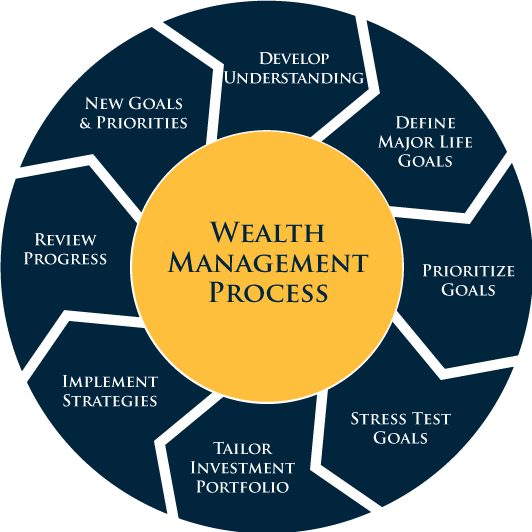
Investments often require reevaluation during periods of transition. Wealth Management During Major Life Changes involves reviewing risk tolerance, time horizon, and asset allocation. For example, younger individuals may take higher investment risks, while those nearing retirement often shift toward stability and income-focused portfolios.
Life events such as marriage or inheritance may also introduce new financial resources that need to be invested thoughtfully. Diversification, portfolio review, and periodic rebalancing are key practices that help maintain a strong investment strategy aligned with changing life goals.
The Role of Insurance in Wealth Protection
Insurance serves as a financial safety net during uncertain times. As part of Wealth Management During Major Life Changes, individuals should evaluate existing insurance coverage and update policies when necessary. Health, life, disability, and property insurance all contribute to financial protection.
For example, starting a family often increases the need for life insurance coverage to secure dependents’ future. Similarly, career changes may affect employer-sponsored benefits, requiring additional coverage. Reviewing insurance regularly ensures financial security during unpredictable life events.
Tax Planning During Major Financial Changes
Taxes play a significant role in Wealth Management During Major Life Changes, particularly when income levels or assets change. Life events such as marriage, inheritance, or property purchases can alter tax responsibilities. Strategic tax planning helps individuals optimize deductions and reduce liabilities.
Understanding how tax laws apply to investments, retirement accounts, and real estate transactions can improve financial outcomes. Consulting professionals or using reliable financial planning tools ensures that tax strategies remain compliant and beneficial during transitions.
Estate Planning and Long-Term Financial Legacy
Estate planning is an often-overlooked aspect of Wealth Management During Major Life Changes, yet it becomes crucial during significant life events. Creating or updating wills, trusts, and beneficiary designations ensures assets are distributed according to personal wishes.
Major milestones such as marriage, divorce, or the birth of children typically require updates to estate plans. Proper planning protects family members and simplifies legal processes in the future. A well-structured estate plan reflects long-term financial responsibility and legacy planning.
Budgeting Strategies During Financial Transitions
Budgeting becomes even more important when managing Wealth Management During Major Life Changes. Changes in income or expenses require a detailed review of spending patterns. A realistic budget helps individuals maintain control over finances and avoid unnecessary stress.
Tracking monthly expenses, adjusting priorities, and maintaining consistent savings habits are key elements of successful budgeting. During times of change, financial discipline ensures stability and supports the achievement of long-term goals.
Managing Debt During Major Life Changes
Debt management plays a vital role in Wealth Management During Major Life Changes because financial transitions can sometimes lead to increased borrowing. Student loans, mortgages, or personal loans must be handled carefully to prevent long-term financial strain.
Prioritizing high-interest debt repayment and avoiding unnecessary borrowing helps maintain financial health. By restructuring repayment plans or consolidating loans, individuals can reduce financial pressure and stay focused on wealth-building strategies.
Financial Planning for Marriage or Divorce
Marriage and divorce are among the most impactful events affecting Wealth Management During Major Life Changes. When two people combine finances, they must align goals, manage shared expenses, and create joint financial plans. Transparency and communication are essential in these situations.
Divorce, on the other hand, often requires restructuring assets, updating legal documents, and creating independent financial strategies. Careful planning ensures that both individuals maintain financial stability during this significant life transition.
Wealth Management During Major Life Changes in Parenthood
Becoming a parent introduces new financial priorities and responsibilities. Wealth Management During Major Life Changes during this phase often includes budgeting for childcare, healthcare, and education planning. Parents also focus on securing their family’s financial future.
Savings accounts for education, updated insurance coverage, and long-term financial planning become essential. Preparing early allows parents to manage expenses while continuing to build wealth for future goals.
Planning Finances When Moving or Relocating
Relocation is another scenario where Wealth Management During Major Life Changes becomes essential. Moving to a new city or country can affect income, living costs, taxes, and lifestyle expenses. Proper planning ensures a smooth financial transition.
Before relocating, individuals should evaluate housing costs, employment opportunities, and long-term financial benefits. This proactive approach helps maintain financial stability while adapting to a new environment.
Retirement Preparation During Major Life Changes
Retirement planning often coincides with significant life adjustments. Wealth Management During Major Life Changes during this stage involves shifting from wealth accumulation to wealth preservation and income planning. Individuals may begin withdrawing from retirement funds or adjusting investment strategies.
Creating a reliable retirement income stream ensures financial independence. Careful planning helps retirees maintain their desired lifestyle while protecting their savings from unnecessary risks.
Psychological and Emotional Aspects of Financial Decisions
Financial decisions during major transitions are not purely logical. Emotions often influence how individuals approach Wealth Management During Major Life Changes. Fear, excitement, and uncertainty can affect investment choices and spending habits.
Recognizing these emotional influences helps individuals make balanced decisions. Taking time to analyze financial options and seek advice when needed ensures more stable outcomes during stressful life events.
Long-Term Wealth Growth Despite Life Changes
Despite challenges, major life transitions can present opportunities for growth. Wealth Management During Major Life Changes encourages individuals to stay focused on long-term goals rather than short-term disruptions. Strategic adjustments can strengthen financial resilience over time.
Maintaining disciplined saving, diversified investments, and careful planning helps ensure wealth continues to grow. Life changes may alter the path, but with the right approach, financial progress remains achievable.
Conclusion
Life transitions are inevitable, but financial instability does not have to be. Wealth Management During Major Life Changes provides the structure and guidance needed to navigate these moments with confidence. By reassessing goals, managing investments, protecting assets, and planning ahead, individuals can maintain financial stability while adapting to new circumstances.
The key is to remain proactive rather than reactive. With thoughtful planning, emotional awareness, and consistent financial habits, people can transform major life changes into opportunities for growth and long-term success.
FAQs
What is Wealth Management During Major Life Changes?
It refers to adjusting financial strategies, investments, and planning methods when significant life events occur, ensuring long-term financial stability.
Why is financial planning important during life transitions?
Major changes can affect income, expenses, and goals, so proper planning helps protect assets and maintain financial balance.
How often should financial plans be reviewed during life changes?
Financial plans should be reviewed whenever a major event occurs and at least once a year to ensure goals remain aligned.
What is the first step in managing finances during major life changes?
The first step is evaluating your current financial situation, including income, assets, debts, and long-term objectives.
Can major life changes improve financial growth?
Yes, with proper planning and strategic decisions, life transitions can create opportunities for increased wealth and financial stability.
Should investments be changed during life transitions?
Often yes, because risk tolerance, time horizon, and financial priorities may shift during these periods.
Is professional financial advice necessary during major life changes?
In complex situations such as inheritance, divorce, or retirement planning, professional guidance can be extremely helpful.
